
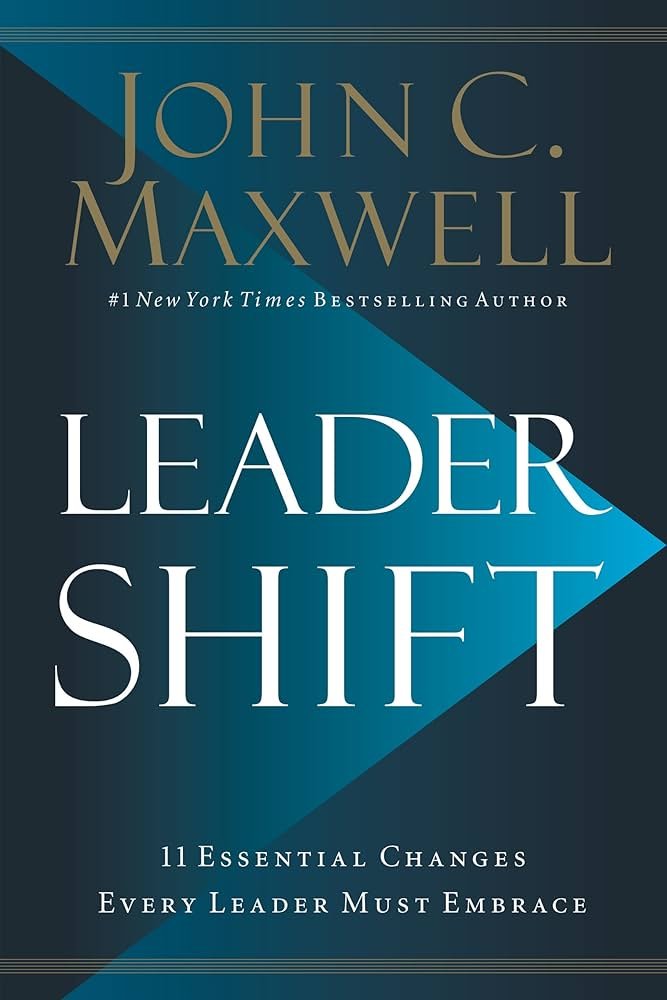
By John C. Maxwell
- The more nimble and flexible we are, the better we can work through change.
- The wise will adapt themselves to circumstances like water adapts to a pitcher.
- The ability to adapt, to change or be changed, will determine the leader’s longevity and success.
- Good leaders adapt to change instead of become static.
- There are seven areas in which we can learn to shift as leaders:
-
-
-
- Continually learn, unlearn, and relearn. We cannot be in love with one form of technology or methodology, we must be willing to learn when change comes.
- Value yesterday, but live today. Famous baseball player, Babe Ruth, said yesterday’s home runs will not win today’s games. We must understand that past achievements are in the past. People may honor you for what you did yesterday, but they respect you for what you do today.
- Rely on speed, but thrive on timing. The timing of when to spend or take advantage of a situation is crucial.
- See the big picture as the picture keeps getting bigger. As you continue leading, the picture will get bigger. You learn lessons along the way that will help you understand the bigger picture.
- Live in today, but think about tomorrow. If you think ahead, you can stay ahead. The future has a way of showing up unannounced, but you can plan and prepare for the future. What can you do today to ensure that you’re prepared for tomorrow?
- Move forward courageously in the face of adversity. All good things include uncertainty, and overcoming uncertainty requires courage.
- Realize today’s best will not reach tomorrow’s challenges. You can’t skip today and hope tomorrow is better. Grow into tomorrow’s challenges, don’t just go into them.
-
-
- One of the most important shifts a leader can make is from a soloist to a conductor. You might do well on your own, but can you do well leading others?
- Your agenda must change from how you can serve yourself to how you can serve others.
- It is wonderful when the people help the leader, but it is more wonderful when the leader helps the people.
- While you can do many things on your own, it is better to do things with others. Going slower could mean going further.
- If you climb the peak by yourself, you are not a leader, you are a hiker.
- Being a good leader is about how many people reach their potential.
- Competing means win-lose, but completing means win-win. One is exclusive and the other is inclusive.
- Are you focused on giving or receiving? Are you focused on adding value?
- As leaders we must stop wishing and start working.
- Never wait to add value. Too many people wait and lose the opportunity.
- Give without keeping score. Placing the emphasis on the return will diminish the joy of giving.
- Goals help you do better but growth helps you become better.
- Make your love for learning greater than your fear of failing.
- Develop relationships with people that are growing and will help you grow.
- The cost of the shift. Many people want to be a leader because of the perks, but the perks have a price. Don’t lead because of the perks and what you will get out of a position, lead because of the price (you want to help people and are willing to pay the price to do so).
- The best things in life are not free. If you are going to lead, you must be willing to pay the price.
- A leader goes before others and is willing to do more than others.
- If you’re going to be a good leader, you must set expectation high for yourself. Set them high for yourself before setting expectations for others.
- You have to give up to go up, and you have to continue giving up to stay up.
- The signature of mediocrity is constant inconsistency. The signature of excellence is relentless excellency.
- There is no off-season for leadership. If you’re not going to be consistent, you cannot continue being leader.
- Be consistent. What you say and you do should line up.
- Make the shift from pleasing people to leading people. No one can please everyone all the time.
- Be a lifelong learner that is intentional about learning something every day.
- Teams either grow together or they grow apart.
- We teach what we know but we reproduce who we are.
- Good leaders realize they need help.
- Give first and give continually. Generosity and is a characteristic of a good leader.
- If you want to be a connecting leader, start listening. It’s not your ears that get you into trouble but your mouth. Listen to others.
- As a leader, never underestimate the power of affirming others. Encouragement is oxygen for the soul.
- Don’t try to be the sage on the stage but a guide who goes beside. Encourage others along the journey.
- Change from directing to connecting.
- People buy into the leader before they buy into the vision.
- Stop trying to look good and start trying to make others look good.
- People might give you a hand because of positional authority, but will only give their heart because of moral authority.
- Moral authority requires competence, courage, consistency, and character.
- You cannot grant yourself moral authority, others must give it to you.
- Some wake up to an alarm and some wake up to a calling.