
Heroic Church Membership by Jeff Bush

By Cory Sexton 

  • As for the fallacy of allowing children to choose for themselves, this argument or suggestion is usually only relative to religious conversations. Typically speaking, children are not allowed to choose their schooling regimen, they are not allowed to choose their own doctors, they are not allowed to choose their own medication, in fact, just about their entire life is planned for them (and rightly so), why would church attendance with mom and dad be any different?
  • If you will be purposeful then church attendance must become of prevailing and predominant importance to the family. This means that it takes a place on the calendar where it cannot be preempted by another event. Just as you must go to work, and the children must go to school, we all must go to church – with the same dedication, the same devotion, the same consideration, as the other must on your schedule.
  • “The man who attempts Christianity without the church shoots himself in the foot, shoots his children in the leg, and shoots his grandchildren in the heart.” – Kevin DeYoung.
  • I am certain, Heroic Church Membership begins with attendance. Planned, purposeful, prevailing, and predominant church attendance.
  • Step two is involvement. Consistent, considerate, cooperative, and courageous involvement. Everything gets better with involvement.
  • The third step is to minister. You must attend, you must be involved, and you must minister. That is the aim of every Heroic Church Member.
  • Unless you take ownership of the church you attend, you will never be more than a casual attender, and casual attendance leads to casual Christianity.
  • The Church that is portrayed in the Scriptures is a powerful, productive, and participative Body of believers. Seeking the Lord and led of the Holy Spirit.
  • Unfortunately, many have predetermined that faithfulness ends with attendance, when truly faithfulness only begins in attendance.
  • Names have been given such as a “Cruise Ship Christians” (Jack Hibbs) and there is a whole potato family allegory that includes Dick-tater, he’s just the boss and Emmy-tater, she’s just a fake, and Hezy-tater, he’s just a stall and Carmen-tater, she has an opinion and Agi-tater, she’s just trouble and Sweet-tater, who happens to be the best of the bunch and of course we can’t forget Speck-tater. Speck’s favorite phrase is: “I love work; I can watch others do it for hours.” He doesn’t get involved, but he’s a great observer.
  • There’s a need to be present, which is your attendance, your attention, and your affection.
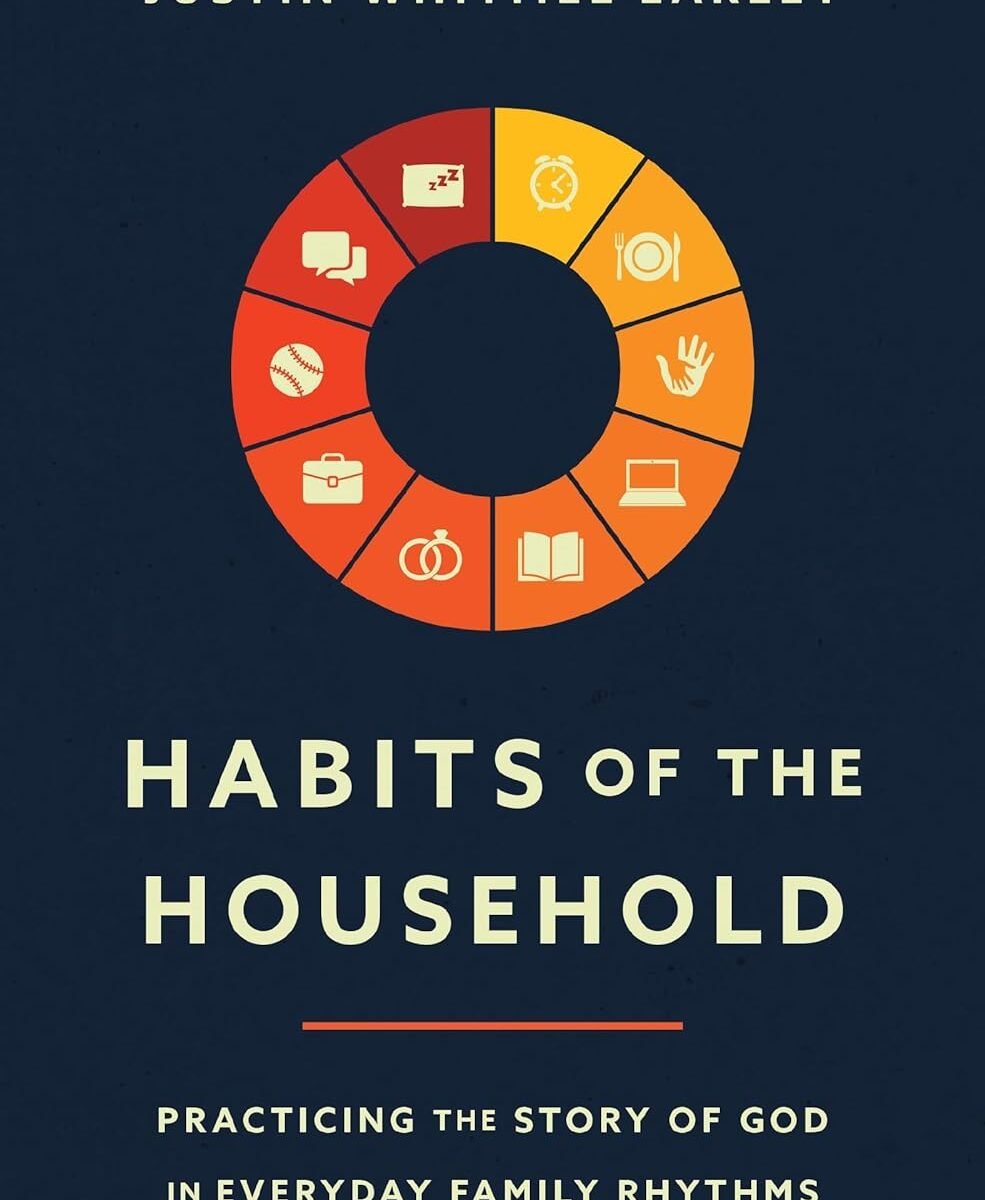
Habits of the Household Book Review by Jeff Bush

By Justin Whitmel Earley 

  • Our routines become who we are.
  • You already have patterns in your family and life, but are they ones that bring glory to God?
  • To steward the habits of your family is to steward the hearts of your family.
  • When there’s a decision between your head and your habits, your heart will always follow your habits.
  • We are tasked not just to learn the right things, but to practice the right things.
  • Your head might ask if you want to be patient and respond lovingly to your children, but if your habit is to be impatient, and to respond sharply, that is who you really are. The habits must change. 
  • Your habits in parenting are forming your children’s habits of life.
  • Good theology leads to good practice.
  • Letting your children observe your habits is the best way to teach habits in a household.
  • Decide you will search the Scriptures in the morning before you scroll social media.
  • The smallest routines build the strongest habits.
  • One of the keystone habits you can do in your family is come together for a meal.
  • Mealtimes are much more than just food, they are time for fellowship and communication.
  • Discipling our children through discipline is one of the hardest things to do as a parent, but God teaches that you discipline those that you love.
  • Making a habit of pausing before you discipline your children is a habit that could help you as parents.
  • Parents need a habit of praying and talking to themselves. Remind yourself that you need God’s help, and that you are not perfect.
  • Parents need parenting. Go to God and do not try to parent alone.
  • Remember that love is more powerful than anger.
  • Don’t forget the importance of repenting in front of your children when the opportunity is given. Set the example.
  • It is so much easier to give your kids a screen so you can relax, but you must fight for their formation. Do not let a screen form your child when you can fight for their formation.
  • Choose movies that have a good storyline, not just provide entertainment.
  • Realize that you are a much better parent for your children than Google or Hollywood, so take the time to make a good watchlist.
  • Watch communally, and process communally. If something is showed on a movie, discuss it with your children, do not overlook it.
  • Date night is a habit of your covenant. Yes you are parents, but first you are a marriage.
  • Rehearse the covenant of marriage in front of your children so they will see the importance of marriage.
  • Your children need habits of play time with them. You cannot and should not dedicate all your time to play, but they do need habits of enthusiastic play time with you.
  • Parenting is one long process of revealing who you are.
  • Parenting does not make us less selfish, contrarily, it only reveals our selfishness.
  • Biblical parenting cannot be accomplished without faith.
  • You cannot make up, change, or say you will one day do something. You must begin now.
  • It is only the grace of Jesus that our children turn out right. And God uses our habits to help form them for the future.
  • We learn the most in life by imitation.
  • The greatest thing we can do is to point our children to Christ. Our habits reflect our love and priority of God.

Grace-Based Parenting Book Review by Jeff Bush

by Tim Kimmel 

  • Good intentions are not enough. 
  • Some common yet unhealthy styles of parenting are: 
      1. Fear-based parenting is not good parenting. 
      2. Behavior modification parenting is not good parenting. 
      3. Image based parenting, trying to look good to others, is not good parenting. 
      4. High controlled parenting is not good for your children.
      5. Herd mentality parenting, which is following the crowd, is not good parenting.
      6. Duct tape parenting, which is patching up every little problem along the way, is not good parenting.
      7. Crisis or 911-type of parenting, living from crisis crisis, is not good parenting.
      8. Judgmental parenting, comparing and criticizing other families and kids, and acting as if you’re the only one who knows how to parent, is not healthy for you or your kids. 
  • We must learn to raise our children the way God raises His children – with grace.
  • God’s grace is there when you fail, fall, and make mistakes.
  • Our children have a need for security, significance, and strength. They need love, purpose, and hope.
  • Grace is not necessarily what we do as parents, but how we do what we do as parents.
  • Careers can create a competition with our children and our love. 
  • Love is about meeting their actual needs, not their selfish needs.
  • Parents are a bigger deal to the children then they realize.
  • Grace forgives. Grace instructs. Grace loves unconditionally. 

Four Thousand Weeks Book Review by Jeff Bush

By Oliver Burkeman 

  • We are all living on borrowed time. 
  • Time management is learning to neglect the right things. 
  • Your life is a sum of all the things that compelled your attention. 
  • Screens and devices distract you from knowing what you really want – or confusing you to want what you really want. 
  • When we say we have time, all we really know is that we are expecting to have time. 
  • Most of the important things in life happened when you were not in control of time – they happen by chance or coincidence. 
  • You should not live your life only for future outcomes. 
  • Children should live their lives to have fun, not to grow up. “Later” might be too late. 
  • By trying to make the most of your time, you might just miss out on life. 
  • Are you holding yourself to a productivity standards that is impossible to fulfill? 
  • There has to come a point where you accept who you are instead of who you want to be. 
  • There will come a shocking reality that no one else cares what you accomplish in your life.
  • Focus on what you have completed instead of what you have to/want to complete. 
  • Practice the habit of doing nothing. Technically, it is not trying to manipulate time and letting things be as they are. It will help you to slow down and enjoy the time you are in.

For the Glory Book Review by Jeff Bush

By Duncan Hamilton

The book is the life story of Eric Liddell. 

The first is a truth from the book about his life and underneath are my thoughts considering the truth. This is prepared for an Advanced Training Class. 

  • From 1908-1920, he saw his parents only once because he and his brother were in boarding school. 
        • Though sending kids to boarding school may have been normal at this time, and possibly required with mission agencies, a parent should remember that their responsibility, privilege, and influence is needed in the life of their children. 
        • Near the end of the book, Eric’s children had a hard time understanding why he was separated from them most of their life. 
  • Born with disabilities and thought wouldn’t walk again. 
        • He did not use excuses rather found ways to become better and soon become an Olympian gold medalist. 
  • He had a coach. 
        • Almost undoubtedly was faster and in better shape than his coach, but wisdom is manifested in a person that seeks advice from others. 
  • He said if a thing is worth doing, it is worth doing well. 
        • Nothing should be done halfhearted! When he ran, he gave it his all. His attitude, work ethic, and all he did suggest that he always gave it his all. 
  • Took a stand to not run when a race was placed before God. The same people who thought it was ludicrous he would not run on Sunday also thought it was ludicrous that he was going to China after being a gold medalist.
        • Whether you agree that he should or shouldn’t run on Sunday, there’s not doubt that he was a man of conviction. He clearly served for an audience of One. If he would have tried to please everyone, which is a great temptation for many, he would’ve had to eventually make a decision of staying or going to the mission field. 
  • He told people he was made to be in China and there he would run a different race.
        • As he gave it his all in running, so he would give his all to the Lord. He stayed on track and didn’t allow money, fame, pleasure, or anything else stop him from doing what God called him to do. 
  • Though he faced very difficult times, his tact and cheerfulness defused problems. 
        • There were testimonies after testimonies that said he was always cheerful and tried to defuse problems instead of cause problems. 
  • In the prison camp, he did his work and helped others do their work. He was said to do the work of 10 men, and many people believed he did more. 
        • It is a great thing to be known for being a helper and hard worker. Instead of finding ways to get out of work, he did his work and helped others. Prov. 22:1
  • He sold his gold watch, and other things to help others. 
        • It mentioned his watch was valuable, but he sold his watch and I believe his gold medal and other things to help others. He was not selfish, yet thought of others. God’s children should all prefer others before themselves. 
  • He was endeared by everyone and the kids all called him Uncle Eric. He was separated from his own children while in the prison camp, but he adopted almost anyone who needed him.
        • Others loved him and wanted to be with him. We should all ask ourselves whether people enjoy being in our presence or avoid being in our presence. 
  • He was known to be kind, gentle, and patient with, others, and everyone wanted to speak to him.
        • Are you like a breath of fresh air to others? 

For Men Only Book Review by Jeff Bush

by Shanti Feldman 

  • In a guy’s mind, saying, “I do” seals the deal. For a girl, it is not a sealed deal, she must know over and over that her man “still does.” 
  • Your wife wants to know if you still love her and if you would choose her all over again.
  • In a survey done by the author, 70% of women said their constant worry is if their husband still loves them.
  • Constantly reassure your wife that you love her, and continue pursuing her.
  • 95% of women in the survey said they’d be helped if their husbands asked for space instead of just closing down and ignoring them.
  • If your wife is upset, first, assume it is your fault. Next, ask what you have done. Next, do not assume the words “I am fine” mean that she is fine. And lastly, pursue her gently until she let you in. 
  • As men, we get aggravated that our wives do not tell us when or why they’re upset. The fault most likely lies with us as husbands. After we have gotten upset multiple times, and not understood her, we have trained her to not want to tell us when or why she’s upset.
  • Although a guy’s idea of security is financial, 7 out of 10 women said they’d prefer to endure financial struggles over distancing themselves from their husbands.
  • Security, in the eyes of your wife, means that you are close to each other, make her a priority, demonstrate your commitment, and are active at home. Once all these are taken care of, you financially provide as well.
  • Your wife wants to be your love and your best friend.
  • Learning to listen is one of the hardest things for a guy. We think we are listening and try to help, but our wives are need listening without any advice.
  • All guys know that she wants you to listen and not fix it, but we do not know how to interpret it. Men think not fixing it means to listen without offering a solution, but it really means listen to know how she feels emotionally. She wants you to focus on her feelings, not the problem.
  • When you listen, just listen. Acknowledge her feelings out loud, and then affirm her. 
  • Good sex starts with paying attention to your wife outside of the bedroom. A high percentage of women agreed that him be around the house would change things.
  • There’s only one mirror in your wife’s life, and that’s you. 
  • Your wife is still a little girl at heart twirling and asking if you think she’s pretty.

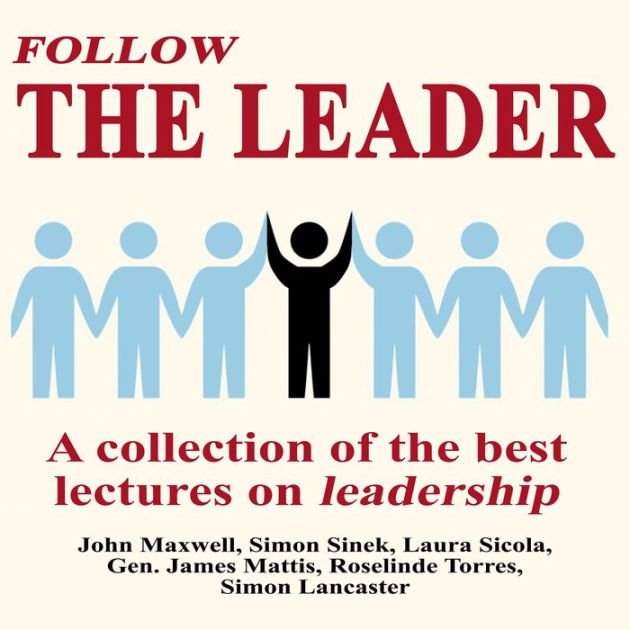
Follow The Leader Book Review by Jeff Bush

by John Maxwell, Simon SinekLaura SicolaGen. James Mattis

  • The position doesn’t make you a leader. 
  • Relationships with people is the foundation of leadership because leadership is influence.
  • Too many leaders are like travel agents, sending people to where they have never been. Leaders should be like tour guides, taking people on the journey with them.
  • Who you are as a leader determines who you attract on your team.
  • Managers solve problems but leaders create momentum.
  • Successful people discover what they are good at. Successful leaders discover what other people are good at.
  • People follow leaders for themselves, not for the leader. They want what the leaders wants. 

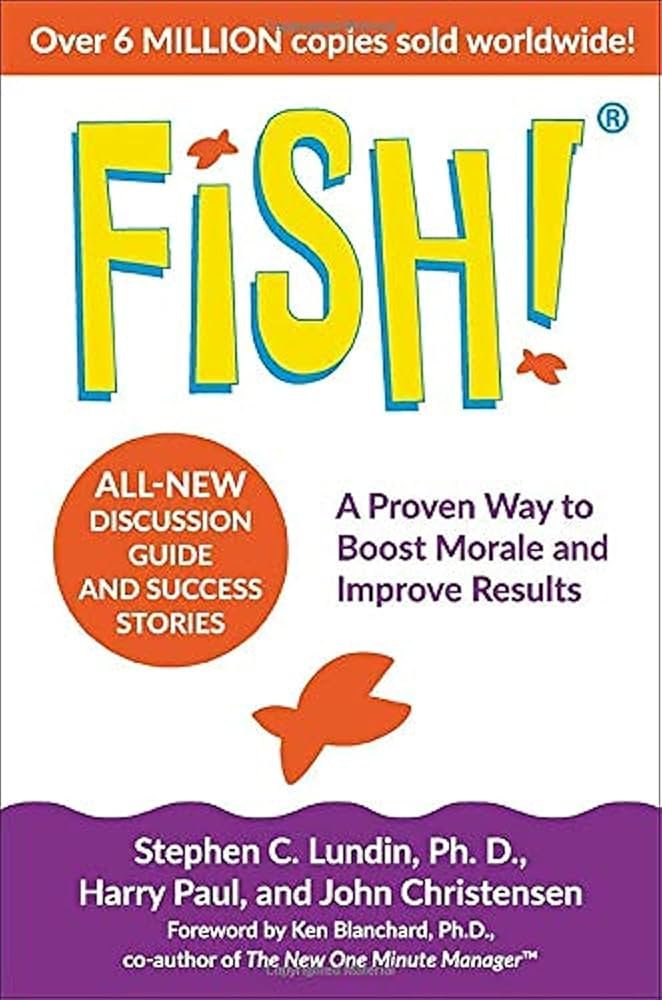
Fish Book Review by Jeff Bush

By Stephen C. Lundin 

You can change the environment in the workplace through the following four practices:

  1. Choose Your Attitude 
            • If you don’t get this one down, the other steps do not matter. 
            • You always have a choice about your attitude. 
            • You don’t choose your work but you can choose to enjoy your attitude about the work you do. 
            • You can choose the kind of day you’ll have. 
            • Each of person is an artist, creating their day as they go along. 
            • To take no action is to fail for sure. 
            • Things won’t get better until we make them better. 
            • Choose your attitude every day, and choose it well. 
            • If you want to change your culture, change your conversations. 
            • Bring your best qualities to work, it is our choice. 
  1. Play
            • Enjoy your work. 
            • Have fun at work. 
            • Happy people treat others well.
            • Post signs to have fun and make work a fun environment. 
            • You can be serious about your work without being so serious. 
  1. Make Their Day
            • Find ways to engage people and involve them – make their day. 
            • The attitude must be inclusion.
            • Engage your customers. 
            • Go above your normal responsibilities with your customers. 
            • Don’t make others think they are a bother for making you do your job.
            • Serving customers well makes a big difference. 
  1. Be Present
            • Show them instead of just telling them. 
            • Focus on where you are now. 
            • The past is history, the future is a mystery, and today is a gift, which is why it’s called the present. 
            • Efficiency is not always wise when you need to be there for another person. Put down the phone, close the computer, ignore the text, don’t think of other things, and be present with that person at that moment. 
  • You must lead yourself before you can lead others. 
  • It starts with you, not others.
  • Your words affect how you act. 
  • Lead by example. 
  • It feels better to achieve something positive instead of avoid something negative.