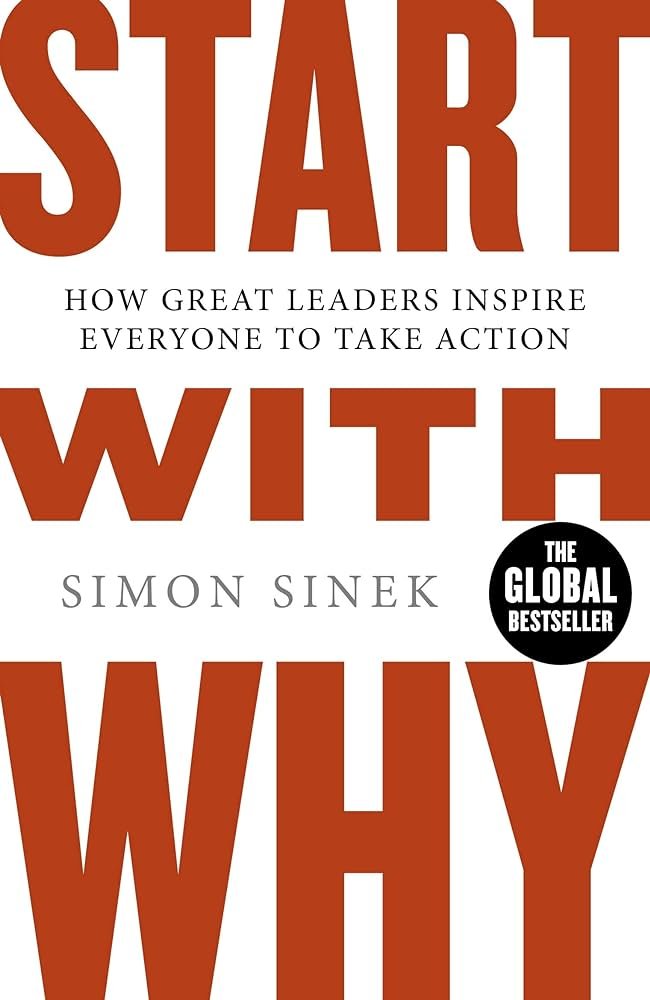

By Tom Ziglar (summary by Jeffrey Bush)
- Everyone needs a clearly defined “why.”
- Its important you clarify your “why” (why are doing it), and when you do it opens
doors to your “what” (what you do) and transform your “how” (how you do
everything). - Hope is born when you realize you have the power to make things better or worse.
- See your past as the reason to move forward and not the reason to quit.
- The time you are in the furnace is preparing you for significance.
- Attitude is a reflection of character, and character is a reflection of habit.
- The opposite of entitlement is gratitude.
- Your past is important, but not as important as you see your future.
- A habit is simply a small choice you’ve chosen to do over and over
- When your “why” is big enough, the sacrifice is worth it.
- Living to win is a choice. What choices are you going to make that will transform
you? - The fastest way to change bad habits is to begin doing good habits.
- Persistent consistency is the answer to improvement in almost any area of your life
- Become an intentional noticer. Pay attention to the positive details, and let others
know. - The words we say to our children today will be the constant whispers they hear in
the future. - It is not negative to identify problems. It is only negative if all you do is dwell on the
problems. - Do not be afraid of being uncomfortable. In fact, a good leader learns to be
comfortable with being uncomfortable. - Clarity helps you make the right choices and take the right actions.
- You can determine beforehand that you will respond positively to setbacks that come
your way. - If you do more than you are paid to do, eventually you will get paid more for what
you do. — Zig Ziglar - Doing a job well is a combination of attitude, effort, and skill.
- Attitudes either bring energy or deplete energy.
- Effort is hustle with smarts.
- Words of encouragement never get old.
- A great attitude drives effort and skill.
- Decide that today is the day you will take control of your most valuable asset, which
is your attitude. - One thing is certain, if you never take the first step, then you will never take the
second step. - Change begins with you, but it does not start until you start.