
The Unlimited Mind Book Review by Jeff Bush

by Zoe McKey

  • Everyone is gifted, but some have never opened their package. 
  • You can become your best self in some area. 
  • The successful man is the average man that is focused.
  • Success happens by expanding your horizon in many areas.
  • There’s no difference between a pessimistic idle person and an optimistic idle person. Laziness kills both.
  • There’s something magical about deadlines. Once a deadline is set, you work to finish and execute.
  • Most things we believe are impossible in life have not even been attempted.
  • There’s no such thing as impossible. Impossible is a lack of focus, action, and self conviction.
  • It’s not who you are that keeps you held back, it is who you are not.
  • Negatives will drive your desires down.
  • Everyone wants to live on top of the mountain, but the growth occurs while climbing it. 
  • The race will get boring, but you must continue if you’re going to reach the goal. 
  • People don’t succeed because they are weak in one of three areas: focus, will power, and clear goal setting. 
  • To improve self control, you have to analyze why you lost it. 
  • Distractions are bumps in the road. You must be careful because there’s not enough time to keep changing the tires. 
  • It seems like the world moves out of the way when you know where you’re going. 

The Sale: Book Review by Jeff Bush

by John Gordon 

Shorter book, like several by this author, but really good. Share story about a man working for a company his grandad started. His grandad started and built the company on integrity. This man had the opportunity to make the biggest sales of his career, but his partner forged a few documents to get the sale. At the end, he stopped the deal and told the buyer he couldn’t make the sale. The buyer was very upset, but later appreciative for his honesty. His integrity required him to make the hard decision. Below are the laws of integrity that became pillars for their company. 

The Four Laws of Integrity: 

      1. Integrity builds trust.
      1. Integrity allows for long term success.
      1. Integrity equals your best self.
      1. Integrity frees you to live.

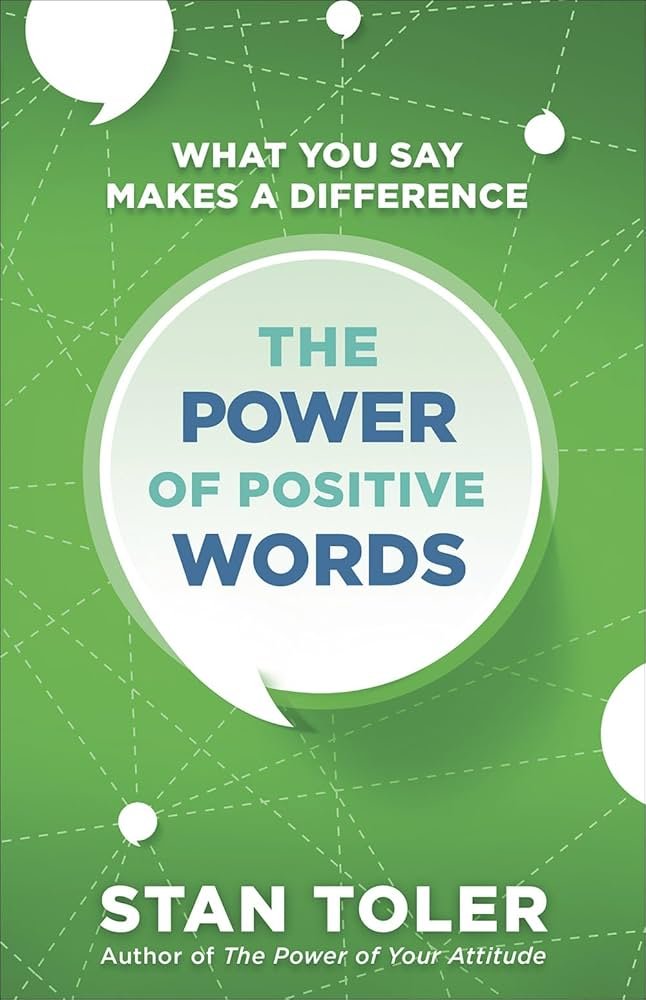
The Power of Positive Words: Book Review by Jeff Bush

By Stan Toler 

  • Always say less than you think.
  • People may forget what you say but not how you say it and how you make them feel. 
  • Let others know you appreciate and believe in them. 
  • You can express humility through words. 
  • A sincere apology can go a long way.
  • Your words have value, can add value, and can diminish value. 
  • Words mean less because of the volume. Make your words count, and say less. 
  • Spend your words frugally.
  • If you want to assure others of their importance, then keep your mouth shut and listen.
  • Listen with your eyes. 
  • Show you care by asking the right questions. 
  • Focus your thinking so you’ll say the right words.
  • The right word at the right time is as different as lightning is from the lightning bug. 
  • Kindness makes the difference.
  • It’s sad when someone uses up their kindness at work and has none left over for their family. 
  • There are times that the best answer is silence. 
  • If you have nothing to say, don’t feel obligated to say anything. 
  • We don’t learn by talking. 
  • A positive attitude produces words. 
  • It’s hard for some to compliment because they’re so use to insulting.
  • Everyone likes to be affirmed. 
  • Rumors are easy to start but difficult to stop. Hold your tongue. 
  • Needless arguments are a waste of time.
  • Eliminate insults and innuendos.

The Men We Need: Book Review by Jeff Bush

By Brant Hansen

His book (The Young Men We Need) is very similar. Both this one and that one are excellent books

Six decisions that will set you apart as a man:

  1. Forsake the fake and relish the real. 

Proverbs 20:17 — “Bread of deceit is sweet to a man; but afterwards his mouth shall be filled with gravel.” 

  1. Protect the vulnerable. 

What you do actually matters. Your kids, your wife, and society needs you. 

Passivity is not an option. 

  1. Be ambitious about the right things. 

Reality is what hits you when you are wrong. 

Feeling meaningless comes from doing non-meaningful things. 

Proverbs 14:4 — “Where no oxen are, the crib is clean: but much increase is by the strength of the ox.”

Being who you need to be take guts. 

  1. Make women and children feel safe, not threatened. 

Taking responsibility for yourself starts with you. 

Colossians 3:2, 5-8. 

You are responsible for your thoughts, and, according to the Bible, you can take your thoughts captive (2 Corinthians 10:5).

  1. Choose today who you will become tomorrow. 

What you pay attention to will affect you and those around you.

  1. Take responsibility for your own spiritual life. 

There’s a myth that says what you do in private doesn’t matter as long as it doesn’t hurt anyone, but nothing we do is really private. 

What we you in private does matter, and it’s effects ripple outward whether you like it or not. 

Private rebellion has public consequences. 

So much about self-control has to do with the people and circumstances around you.

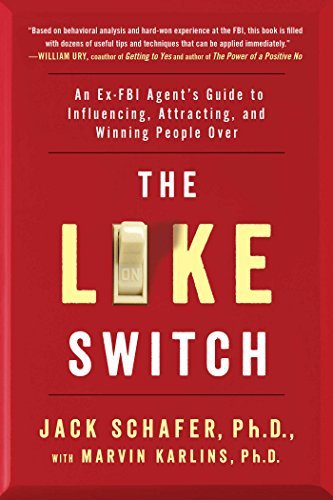
The Like Switch: Book Review by Jeff Bush

By Jack Schafer

The book is written by a former FBI agent. He teaches tips on winning people over for spy purposes, but the tips are very good on winning people over for general friend-purposes. One of my favorite portions of the book speak about how to “cement” a relationship by encouraging the other person to speak. You do so by using the acronym LOVE: 

  • Listen
  • Observe
  • Vocalize 
  • Empathize  

The book has lots of good tips for interacting with others (some similarities with book How To Win Friends And Influence People). This book can help you with your kids, church people, friends, those you are witnessing to, and your marriage. 

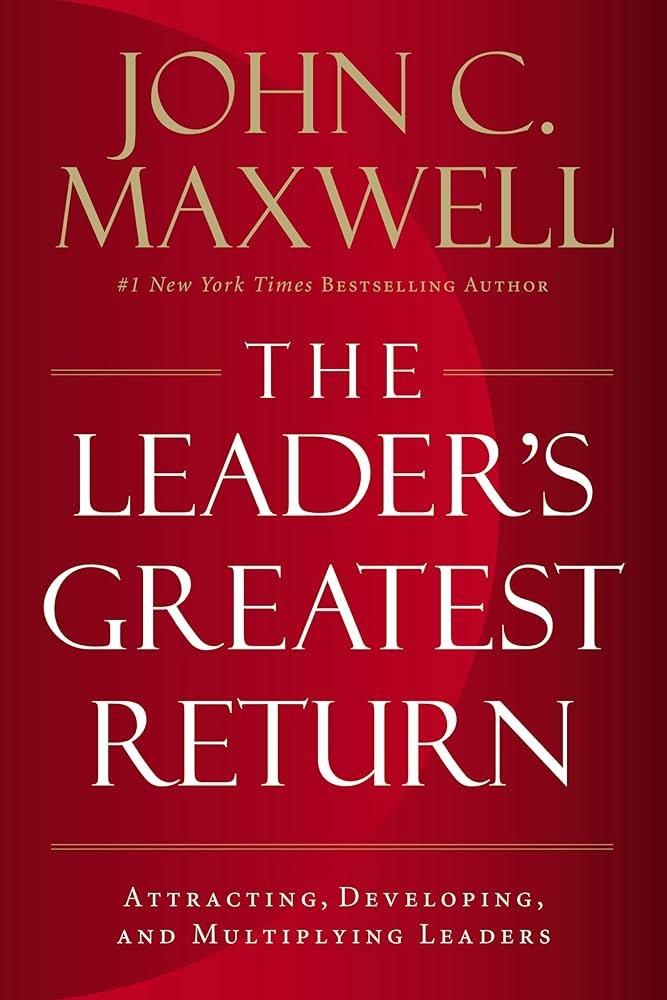
The Leader’s Greatest Return Book Review by Jeff Bush

by John C. Maxwell 

  • A company cannot grow without until it grows leaders within.
  • When an organization stops growing leaders, it stops growing.
  • How well you lead will determine how others succeed.
  • Your team will determine if you reach your dream. The wrong team will be more like a nightmare.
  • So often we define being a better leader by having more followers, but being a better leader should mean we are developing and empowering other leaders.
  • Over 90% of leaders only have followers.
  • Everyone you hire on your team will make your team better or worse. 
  • There are six A’s to think of when you are finding a leader:
        1. Assessment of needs. What area do you need filled?
        2. Assets on hand. Who within your organization can you help equip for the job?
        3. Assets not on hand. If you don’t have someone within, you might have to look for someone outside of your organization.
        4. Attitude of the potential leader. Are they willing? At the heart of attitude is willingness – willingness to learn, to serve, to improve, etc. 
        5. Ability of potential leaders. Are they able? A person’s gifts make room for him or her. 
        6. Accomplishments of potential leaders. Have they had results in the past? what have they achieved up to now? 
  • Learn to ACT:
        1. Apply – what can you apply to your life from what is going on? 
        2. Change – what do you need to change in your life? 
        3. Teach – what can you teach others from what you are learning?
  • Power of proximity. People learn more by going alongside you than they do by being told. It is more caught than taught.
  • Before you develop people, you must connect with people.
  • It is important that you touch a heart before you give a hand, because people will not follow until they trust you.
  • Change the “me” to “we.” People are more likely to stay with you when they realize you are in it together.
  • Learn to ask questions. Asking questions has the opposite effect of giving direction. 
  • Questions clear up assumptions. Inviting the other person into the conversation lets you know the other person, builds relationships, places value on the other person and guides the conversation. 
  • Assumptions are the major mess ups for leaders. 
  • People in authority usually do not listen, they talk. But learning to listen will help you as a leader.
  • Are you a leader that gives directions and then asks questions or are you a leader that asks questions and then gives directions?
  • Live for a cause, not an applause.
  • To help others give them your BEST:
          1. Believe in them. 
          2. Encourage them. 
          3. Show them. 
          4. Train them.
  • If you’re going to help others, you must learn to LEAD: 
          1. Learning. What are you learning right now?
          2. Experiencing. What are you experiencing right now? 
          3. Applying. What are you applying right now? 
          4. Developing. Who are you developing?
  • A candle loses nothing by lighting another candle, it actually gains from lighting another candle.
  • Give your leaders a growth environment.
  • Each person must have a place for themself but the purpose of the team.

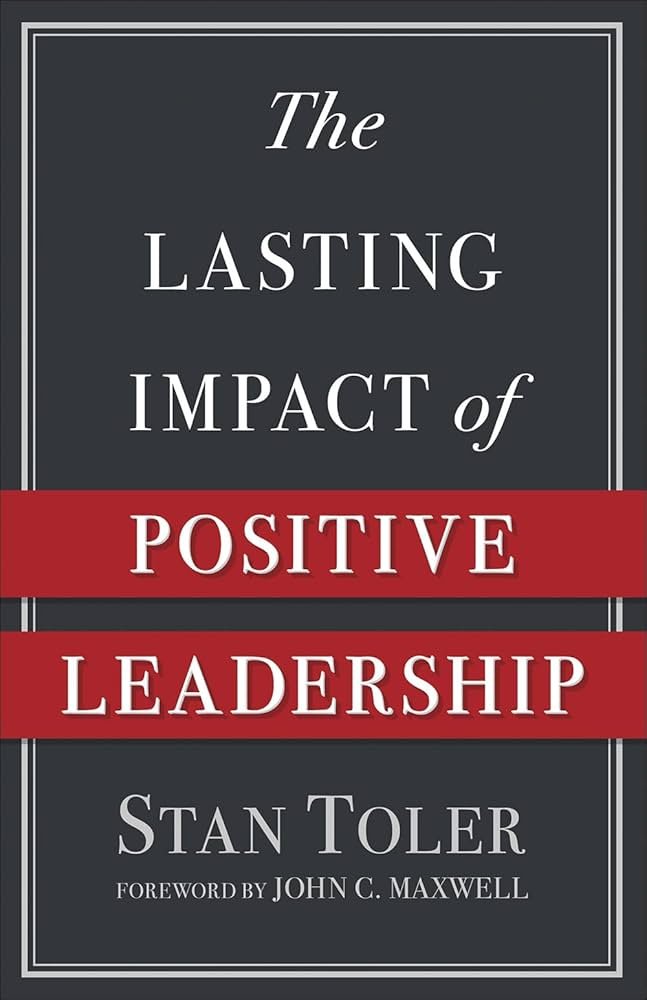
The Lasting Impact of Positive Leadership

By Stan Toler 

  • We are the masters or victims of our attitudes.
  • Your attitude makes all the difference in the world, and many times it’s the only thing between failure and success in our lives.
  • Positive thinkers usually get positive results.
  • The way to get rid of negative thoughts is to feed yourself with positive thoughts.
  • Treat people like what they should be and they may become what they are capable of.
  • In order to have happy lives, we must have happy thoughts.
  • It’s said that most people only work at a 50% capacity. It’s the leader’s responsibility to give them purpose so they work to their full potential.
  • Praise and approval are likely the most powerful motivators for someone to work hard — be generous with both.
  • When you’re kind to others, you help yourself. When you’re cruel to others, you hurt yourself.
  • Two lessons about encouragement: first, everyone needs it, and second, it is much more powerful than you realize.
  • Your encouragement can change someone’s life forever.
  • There are various ways to show appreciation to others, just make sure you make it verbal.
  • You can tell the measure of a man by how he treats those who can do nothing for him.
  • Excellent leaders give credit where credit is due.
  • Use your influence to persuade, not intimidate.
  • You are not just known by the company you keep, but also how you keep that company.
  • Your words have the power to change the world.
  • Words are the key to belief and belief unlocks action.
  • The common phrases of naysayers are “that won’t work” and “we have never done it that way.”
  • Real influence is guiding people to a vision, not belittling their ideas.

The Language of Leadership Book Review by Jeff Bush

By Joel Schwartzberg 

  • Content is not king. Information does inform, but it does not inspire. 
  • Purpose is the why we do what we do. 
  • Divide what others need to know and what  is neat to know. 
  • Make the audience’s relevance more important than the speaker’s interest. 
  • “We” and “us” is better than “me” and “I.” A leader involves the team. 
  • Leaders benefit from reiterating and repeating the key points. 
  • Empathy and teamwork are nice, but they want and need to hear hope.
  • It’s hard to put confidence in leaders that don’t have confidence in themselves.
  • You should want to support your team more than want your team to support you. 
  • Try to be a role model instead of a role manager.